Volume and Weight Converters | Comprehensive Measurement Tool
10 months ago
⚡ Conversion Calculator
CCF
Volume and Weight Converters – A Complete Guide to Everyday Measurements
Have you ever tried to follow a recipe and found the ingredients listed in grams when your kitchen scale only shows ounces? Or perhaps you’re working on a project where you need to change cubic feet of soil into tons for delivery. These situations are exactly why Volume and Weight Converters are so useful.
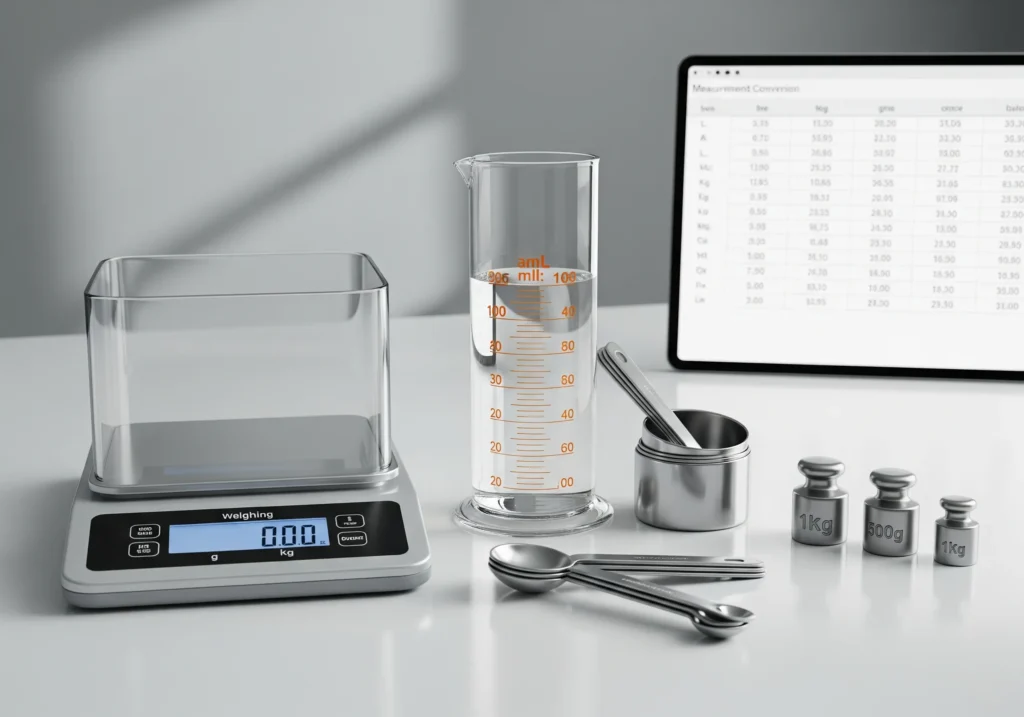
This all-in-one tool makes it easy to switch between different units — whether it’s cups to ounces, liters to centiliters, or cubic yards to tons. Below, you’ll find clear explanations of the most common conversions, how the formulas work, and answers to the most frequent questions people ask.
Why These Conversions Matter
Cooking & Baking: Recipes can use different systems (US cups, UK pints, grams, milliliters).
Science & Medicine: Precise measurements are critical for lab work and prescriptions.
Construction & Gardening: Materials like gravel, soil, or concrete are measured by both volume and weight.
Daily Life: Buying groceries, converting fuel, or even mixing drinks often requires quick conversions.
With a reliable converter, you save time, avoid mistakes, and always get accurate results.
Conversions Explained
Here’s a breakdown of the key converters you’ll find:
CCF to Gallons: CCF (hundred cubic feet) is often used in water billing. 1 CCF = 748 gallons.
Cubic Feet Calculator: Works out volume in cubic feet, handy for storage and construction.
Cubic Meter Calculator: Standard international volume measure, often used in shipping and freight.
Cubic Yards to Tons: Useful for landscaping and bulk materials (conversion depends on density).
Decagram to Gram: Metric system — 1 decagram = 10 grams.
Drops to mL: Common in medicine. Approx. 20 drops = 1 mL, though it can vary.
Ounces to Cups (oz to Cups): Kitchen essential. 8 fluid ounces = 1 cup (US).
Gallon Calculator: Converts to liters, quarts, pints, and cups.
Gallons to Pounds: Depends on the liquid (e.g., 1 gallon of water = 8.34 lbs).
Grams to Ounces: 1 ounce = 28.35 grams.
Kg to Gallons: Used in recipes and industrial processes (requires density info).
Liters to Centiliters: 1 liter = 100 centiliters.
Micrograms to Milligrams (mcg to mg): 1000 mcg = 1 mg. Common in supplements and medicine.
Milligrams to Milliliters (mg to mL): Requires knowing density (for water, 1 mg = 0.001 mL).
Milliliters to Cups (mL to Cups): 240 mL = 1 US cup.
Pint to Pound: 1 pint of water = 1.043 pounds.
Pounds and Ounces: 1 pound = 16 ounces.
Quarts to Pounds: Depends on the material (water = 2.086 pounds per quart).
How the Converters Work
Choose your conversion type (e.g., grams to ounces, cubic feet to gallons).
Enter your value into the input box.
Select the correct unit system (US, UK, or metric if applicable).
The calculator instantly applies the conversion formula and shows the result.
For weight–volume conversions (like gallons to pounds), the tool may also request the density of the substance to ensure accuracy.
❓ FAQs – Cooking & Volume Conversions
US gallon = 3.785 liters; UK (imperial) gallon = 4.546 liters.
Because weight depends on both volume and density. A gallon of honey weighs more than a gallon of water.
No. A US cup = 240 mL, but an Australian cup = 250 mL.
1 US teaspoon = about 5 mL.
There are exactly 16 ounces in a pound.
Yes, but you must know the density. For example, 1 cubic yard of gravel weighs around 1.4 tons.
1 ounce ≈ 28 grams (close enough for quick estimates).
1 gallon ≈ 3.785 liters.
There isn’t one fixed formula. Most medical standards use 20 drops = 1 mL, but always check your dropper.
Yes. You can enter fractions or decimal values, and the tool will calculate precisely.