Meal Calorie Calculator: Count Calories for Diet Planning
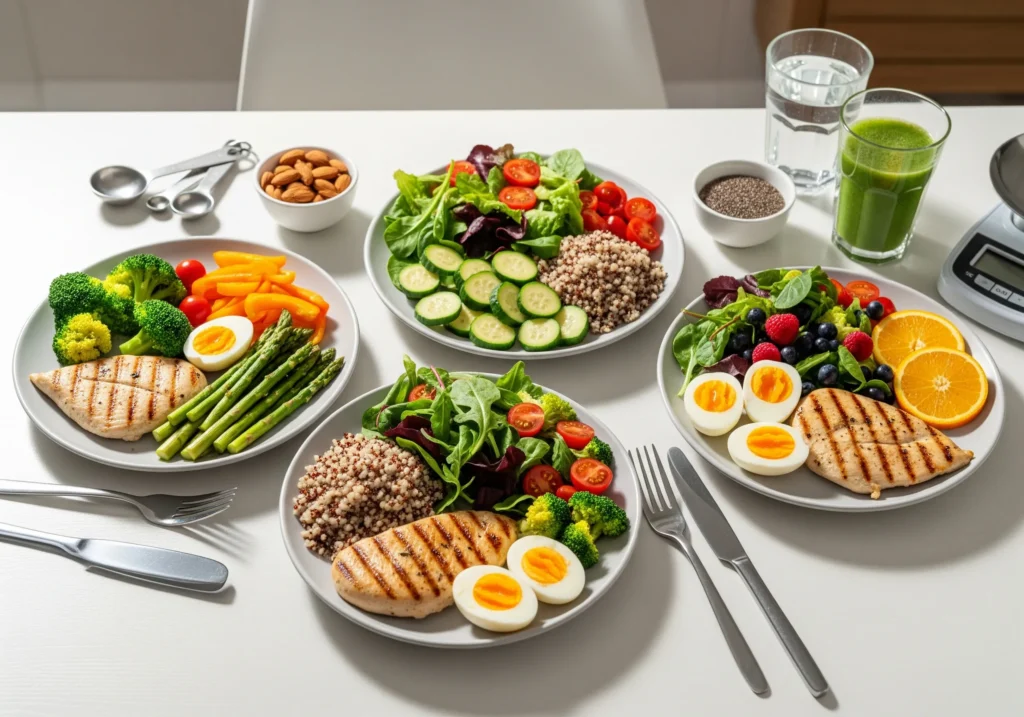
🍽️ Meal Calorie Calculator
Food Items
Your Meal Nutrition
Meal Calorie Calculator – Count Calories for Diet Planning
Meet James. He’s been trying to lose a few kilos before summer. Every time he eats, he wonders: “How many calories are in this meal? Am I eating too much protein? Too many carbs? Not enough healthy fats?”
That’s where the Meal Calorie Calculator comes in. Instead of guessing, James can enter the food items he eats, the amount (in grams), and instantly see the calories, protein, carbs, and fat for his meal.
It’s like having a nutritionist in your pocket.
What Is This Calculator?
The Meal Calorie Calculator is a diet planning tool that helps you track the nutrition of every meal. By entering food items and portion sizes, you’ll instantly know:
- Calories per meal
- Protein, carbs, and fat breakdown
- Which foods are helping (or hurting) your goals
This makes it easier to plan your diet — whether your goal is weight loss, muscle gain, or simply healthy eating.
Why Is It Important?
- Stops you from guessing calories
- Shows the macro balance (protein, carbs, fats) in every meal
- Helps you adjust portion sizes to meet your goals
- Keeps you consistent — the real secret to results
- Works for weight loss, bulking, or maintenance
In short: if you don’t track, you’ll always be guessing. If you track, you’ll always know.
Formula Behind the Calculator
Every food is broken down into its macronutrients:
- Protein → 4 calories per gram
- Carbohydrates → 4 calories per gram
- Fats → 9 calories per gram
👉 Formula:
Calories = (Protein × 4) + (Carbs × 4) + (Fat × 9)
So if your meal has:
- 20g protein
- 40g carbs
- 10g fat
Calories = (20×4) + (40×4) + (10×9)
Calories = 80 + 160 + 90 = 330 kcal
Your meal = 330 calories total.
How the Calculator Works (Step by Step)
- Enter Meal Name – e.g., “Breakfast” or “Chicken Salad.”
- Add Food Items – list each food you’re eating.
- Enter the amount in grams – accuracy matters here.
- Calculator matches food values – it pulls protein, carb, and fat info.
- Your meal breakdown appears – showing calories and macros.
- Repeat for other meals – you can track all your daily meals this way.
Adjust portions – too many calories? Reduce carbs or fats. Low protein? Add more chicken, fish, or tofu.